







How florists create balanced mixed bouquets
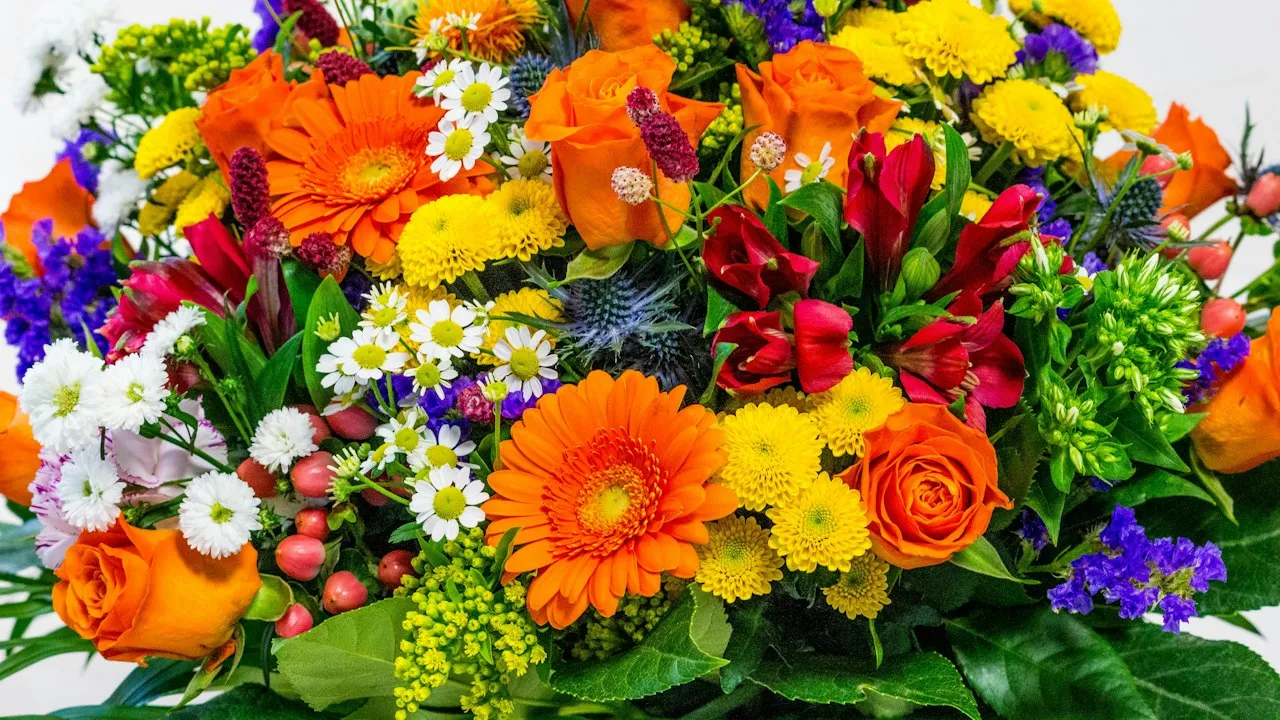
A mixed bouquet may look effortless, yet its harmony comes from a series of deliberate choices. Florists balance colour, shape, scale, texture and movement so that each stem contributes without competing for attention. Whether you are ordering a gift bouquet or arranging flowers at home, understanding these principles helps you recognise why certain combinations feel calm, generous and beautifully composed.
Florists begin with a clear focal point
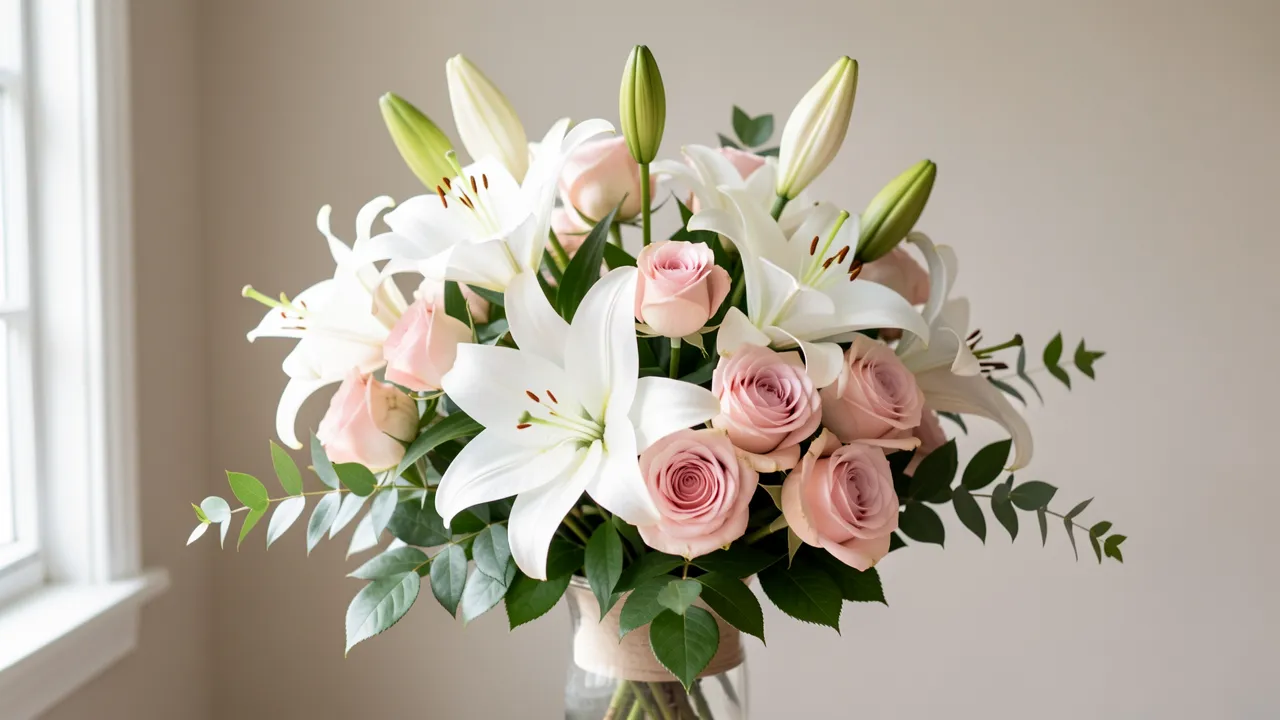
Most balanced bouquets have a visual centre. This is often created with larger or more distinctive blooms, such as roses, peonies, dahlias, hydrangeas or lilies. These focal flowers attract the eye first and set the mood for the whole design.
A florist usually chooses one dominant variety, then supports it with flowers that differ in size and form. For example, full garden roses may be paired with smaller spray roses, scabious and waxflower. The larger blooms provide presence, while the smaller stems soften gaps and create a natural transition between the main flowers and foliage.
The focal point does not always sit in the exact middle. In hand-tied bouquets, flowers are often arranged in a gentle spiral, with several focal blooms distributed across the front and upper areas. This prevents the design from appearing too rigid or flat.
Colour palettes give mixed bouquets a sense of unity
A florist rarely selects every flower independently. Instead, they work from a palette that gives the bouquet a shared visual language. The palette may be tonal, contrasting, seasonal or inspired by a particular occasion.
A tonal bouquet uses shades from one colour family. Soft pink roses, blush lisianthus, mauve astrantia and burgundy foliage can create a layered arrangement with depth. A contrasting bouquet might pair yellow ranunculus with blue delphiniums and white cosmos for a brighter, more energetic result.
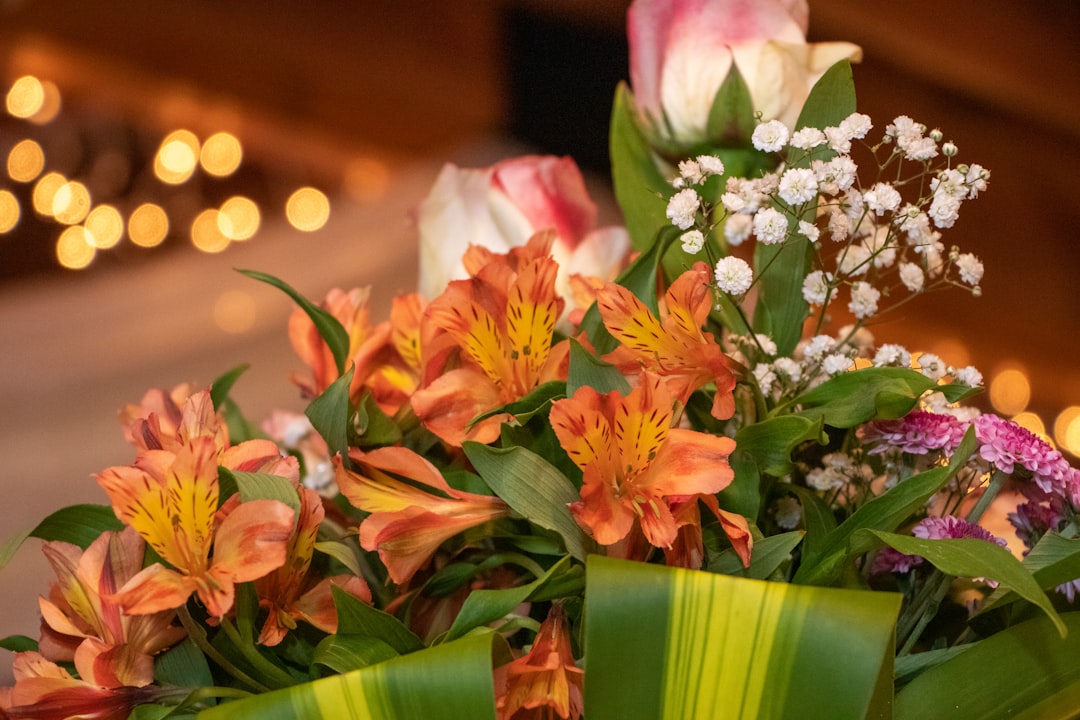
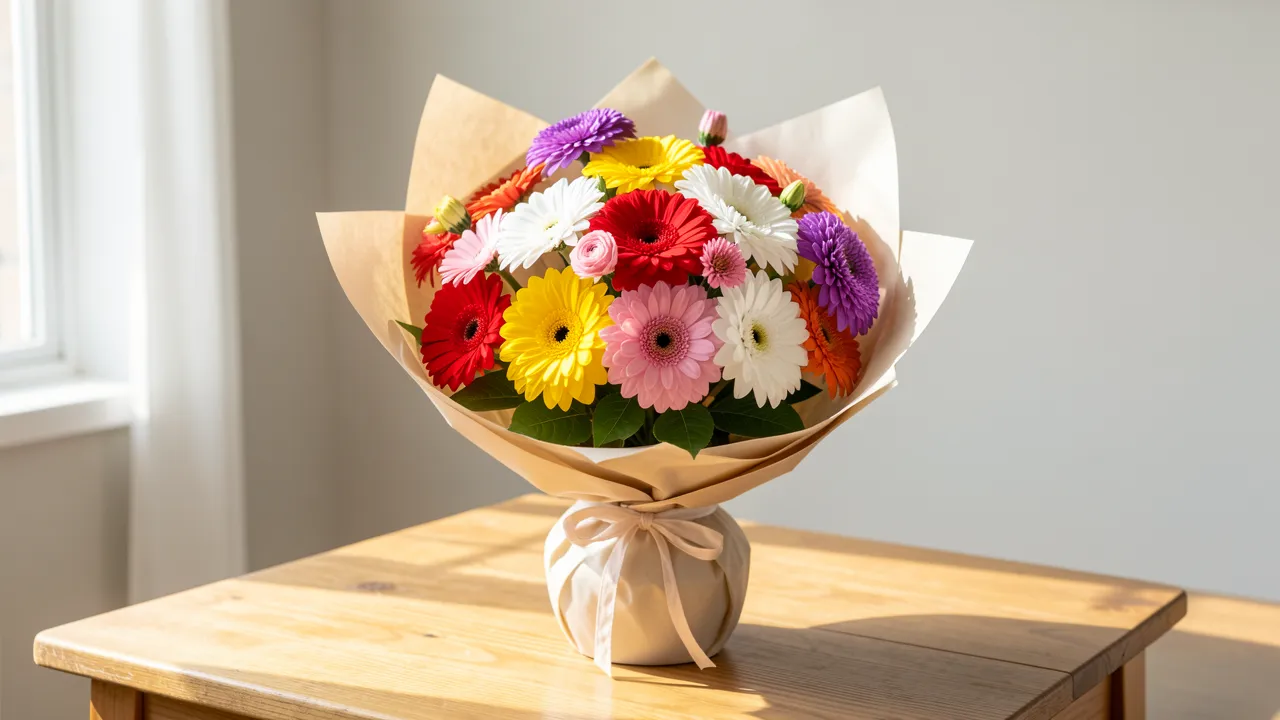
Colour balance also involves controlling intensity. If you choose vivid orange tulips, deep purple anemones and bright pink gerberas all in equal quantities, the arrangement can feel busy. Florists often use neutral tones, such as cream, white, pale green or silvery foliage, to give stronger colours room to breathe.
For sympathy flowers, gentler colour relationships can be especially appropriate. You may find useful guidance in How to choose flowers for sympathy arrangements, including ways to select flowers that convey warmth and respect.
Repeated colours create rhythm
A colour should appear more than once in a well-balanced bouquet. A single dark bloom placed alone can seem accidental, whereas repeating that shade in three or five places leads the eye around the arrangement.
Florists often echo a colour through different materials. Deep plum may appear in a dahlia, a scabious head and a few stems of dark foliage. This repetition gives even an informal meadow-style bouquet a considered finish.
Shape and scale keep the arrangement proportionate
Mixed bouquets rely on contrast, but every contrast needs proportion. Florists combine rounded flowers, airy stems, linear accents and textured details in measured amounts.
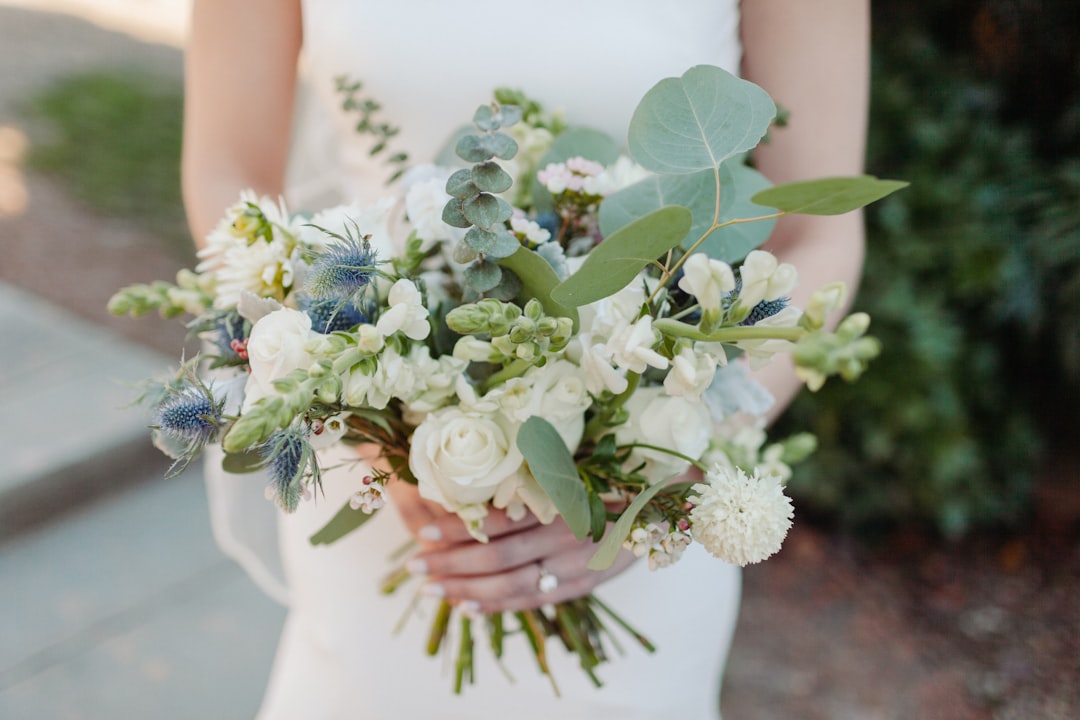
Rounded blooms include roses, ranunculus, carnations and peonies. They bring softness and fullness. Spired flowers, such as snapdragons, veronica and delphiniums, add height. Fine flowers like ammi, limonium or astilbe create lightness between stronger shapes. Foliage frames the flowers and can introduce another layer of movement.
The rule of scale matters as much as the choice of flower. Large hydrangea heads can overwhelm delicate nigella if used in equal numbers. A florist may use one or two hydrangeas, then surround them with several medium-sized blooms and plenty of lighter stems. This creates a gradual change in size rather than an abrupt visual jump.
Stem length is adjusted throughout the process. Taller materials usually sit towards the back or centre of a front-facing bouquet, while shorter blooms fill the lower edge. For an all-round hand-tied design, the heights are distributed evenly so the bouquet looks attractive from every angle.
Texture adds interest without creating clutter
Texture gives a mixed bouquet character. Velvet-like roses, ruffled carnations, feathery astilbe, glossy leaves and seed pods each reflect light differently. The key is to avoid using too many highly textured ingredients at once.
Florists commonly choose one or two texture-led elements to complement smoother flowers. For a romantic bouquet, they may pair standard roses with frothy astrantia and delicate eucalyptus. For a more contemporary arrangement, sculptural alliums and glossy aspidistra leaves may sit beside clean-lined tulips.
Negative space also plays a role. Leaving a few small openings between stems helps individual flowers remain visible. An arrangement packed too tightly can lose its shape, particularly when several varieties have similar colours.
Seasonal materials make balancing easier
Working with seasonal flowers gives florists a broader choice of stems that naturally suit one another. Spring bouquets may combine tulips, narcissi, ranunculus, blossom and viburnum. Summer offers dahlias, sweet peas, cosmos, zinnias and scented herbs. In autumn, chrysanthemums, berries, grasses and seed heads bring warmth and texture.
Seasonal foliage can influence the whole silhouette of the bouquet. Olive branches create a relaxed Mediterranean feeling, while beech leaves and berry stems suit richer autumnal designs. If you are styling flowers for an outdoor setting, How to choose outdoor furniture for a flower-filled patio can help you coordinate containers, colours and surrounding materials.
A florist also considers vase life. Mixing flowers with very different care needs can shorten the bouquet’s display period. More delicate stems may be positioned where they are supported by sturdier flowers, and blooms that open quickly are balanced with buds that will develop later.
A polished bouquet still needs a natural finish
The final stages are about refinement. Florists rotate the bouquet, check it from different angles and remove anything that interrupts the outline. A stem may be raised slightly, moved towards the edge or cut shorter to improve the overall rhythm.
Before wrapping, they assess several details:
- Focal blooms are visible but not crowded together.
- Colours recur across the bouquet rather than appearing in isolated patches.
- Large, medium and delicate flowers are distributed in proportion.
- Foliage supports the flowers without hiding them.
- The arrangement has enough air and movement to feel natural.
Balanced mixed bouquets bring every stem into harmony
A successful mixed bouquet is not defined by using the most expensive flowers or the greatest number of varieties. Its appeal comes from thoughtful relationships between each element. When colour, scale, texture and shape are handled with care, the bouquet feels abundant while remaining calm and coherent. Whether you choose flowers through a florist or create your own arrangement, these principles can help you select combinations that look intentional from the first stem to the final ribbon.